Why Work With an OCD Specialist?
Evidence‑Based Care for a Highly Treatable Condition
Obsessive–Compulsive Disorder is a complex, often misunderstood condition. While many therapists are skilled in general mental health treatment, OCD requires specialized training, specific protocols, and deep familiarity with intrusive thoughts, compulsions, and avoidance patterns. Working with an OCD specialist can dramatically improve outcomes, shorten treatment time, and prevent unnecessary suffering.
OCD Is Not Treated Effectively With "Talk Therapy" Alone
Many people with OCD spend years in therapy without getting better—not because they're resistant, but because they were never given the right treatment. OCD responds best to Exposure and Response Prevention (ERP), a structured, behavioral treatment that requires advanced training and ongoing clinical experience.
A specialist understands:
- How to correctly identify obsessions vs. worries
- How compulsions hide in reassurance, rumination, and avoidance
- How to design exposures that are safe, ethical, and clinically effective
- How to prevent therapy from accidentally becoming a compulsion itself
General therapy often unintentionally reinforces OCD by offering reassurance, cognitive debate, or emotional processing—approaches that feel supportive but strengthen the OCD cycle.
Specialists Recognize All OCD Subtypes—Even the Ones People Are Afraid to Talk About
OCD can attach to any theme, including those that feel taboo or frightening. A specialist is trained to recognize and treat:
- Harm OCD
- Sexual Orientation OCD
- Relationship OCD
- Gender Identity OCD
- Contamination OCD
- Existential OCD
- Postpartum OCD
- "Just Right" OCD
- Scrupulosity
- Sexual intrusive thoughts
- Health anxiety with compulsive checking
- Body-focused compulsions and mental rituals
People often hide their symptoms out of shame. A specialist knows these themes are common, treatable, and not reflective of a person's character or desires.
ERP Requires Precision, Structure, and Clinical Judgment
Effective ERP is not simply "facing fears." A specialist:
- Builds a hierarchy tailored to your symptoms
- Teaches you how to resist compulsions in real time
- Helps you understand uncertainty tolerance
- Ensures exposures are therapeutic—not overwhelming
- Tracks progress and adjusts treatment based on data
This level of care requires training through programs such as the Behavior Therapy Training Institute (BTTI) and ongoing work with OCD-specific cases.
Specialists Prevent Misdiagnosis and Treatment Delays
OCD is frequently misdiagnosed as:
- Generalized Anxiety Disorder
- Depression
- ADHD
- Trauma-related disorders
- Personality disorders
A specialist can differentiate OCD from other conditions and identify when symptoms overlap. Accurate diagnosis leads to faster, more effective treatment.
You Deserve Treatment That Works
OCD is one of the most treatable mental health conditions—when treated correctly. Working with a specialist ensures you receive:
- Evidence-based care
- A structured plan
- Skills that last long after therapy ends
- Relief from intrusive thoughts and compulsions
- A path back to the life you want to live
If You're Struggling With OCD, You Don't Have to Do It Alone
Whether your symptoms are new, chronic, or misunderstood by previous providers, an OCD specialist can help you regain control and build confidence in your ability to handle uncertainty.
Further Reading
Read the Atlantic Article: The Only Cure for OCD Is Expensive, Elusive, and Scary
Originally published in The Atlantic — ERP for OCD Works, But It's Expensive and Hard to Find
Most therapists are not trained in ERP — the gold-standard treatment for OCD
Misdiagnosis delays effective treatment by an average of 14 to 17 years
A specialist can identify your OCD subtype and tailor treatment precisely
~ Why It Matters
OCD responds best to a specific, structured approach. Working with a clinician who specializes in OCD — and uses evidence-based methods like ERP and ACT — makes a measurable difference in outcomes. If you’re ready to get the right help, contact Dr. Srednicki to schedule a consultation.
Dr. Srednicki Offers Specialized Virtual OCD Treatment via Secure Telehealth and is Authorized to Treat Patients in the Following 42 States
- Alabama
- Arizona
- Arkansas
- Colorado
- Connecticut
- Delaware
- District of Columbia (Washington D.C.)
- Florida
- Georgia
- Idaho
- Illinois
- Indiana
- Kansas
- Kentucky
- Maine
- Maryland
- Michigan
- Minnesota
- Mississippi
- Missouri
- Montana
- Nebraska
- Nevada
- New Hampshire
- New Jersey
- North Carolina
- North Dakota
- Ohio
- Oklahoma
- Pennsylvania
- Rhode Island
- South Carolina
- South Dakota
- Tennessee
- Texas
- Utah
- Vermont
- Virginia
- Washington
- West Virginia
- Wisconsin
- Wyoming
WE’RE HERE TO HELP YOU
LEARN THE RIGHT STRATEGIES TO SET YOURSELF FREE.
You have more control, than you think.
543 Valley Road, suite 6 Upper Montclair NJ 07043
NY City Address of 30 West 63rd Street New York, NY 10023
973-744-9130
CONTACT NOW!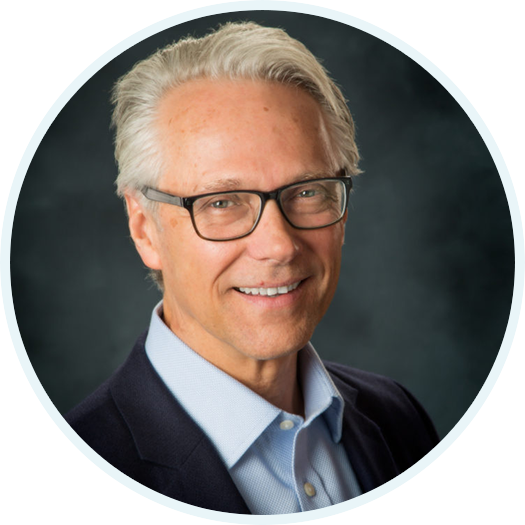 Dr. Henry Srednicki